New York area storms disrupt World Cup final training for Spain and Argentina

Final preparations affected by weather
The final training sessions for both Spain and Argentina ahead of the World Cup final were significantly impacted by severe thunderstorms that swept across the northern New Jersey area on Saturday. Both teams were scheduled to conduct their last preparations before Sunday’s match at the New York New Jersey Stadium, but adverse weather conditions led to disruptions for both squads.
Spain, led by manager Luis de la Fuente, had their training session completely cancelled. The team was due to train at the Melanie Lane training ground in New Jersey. However, after an initial suspension, the session was ultimately called off due to the storms. The Spanish federation (RFEF) released a statement confirming the suspension, citing US storm safety protocols.
US protocol mandates that any outdoor sporting event must be suspended if lightning or electrical activity is detected within an eight-mile radius of the venue. Events can only resume if there are no further lightning strikes for at least 30 minutes. FIFA, the governing body for football and organizers of the World Cup, stated that no alternative time slots would be available for Spain to train on Saturday.
Luis de la Fuente had previously emphasized the importance of this final training session. On Friday, he described it as one of the most critical moments, especially given that key players like Lamine Yamal and Pedro Porro had sustained minor knocks during their semifinal victory over France. He had expressed the need for these players to achieve full fitness before the decisive match, stating, “Tomorrow we have the last training session. It’s one of the most critical moments, thinking that there can’t be any delays because you won’t make the game if there were some sort of adverse circumstance – hopefully not.” Despite these concerns, he reassured that “they’re all good.”
The Spanish team arrived on schedule for their session, which was originally set to begin at 11 a.m. local time. However, a FIFA official informed reporters that training could not commence without a 30-minute clear window free of lightning within an eight-mile radius. With continuous storms, Spain waited for approximately 40 minutes before abandoning the outdoor session. Instead of waiting indefinitely in the dressing rooms, De la Fuente and his staff opted for the squad to conduct an extended gym workout indoors.
Argentina’s delayed but completed session
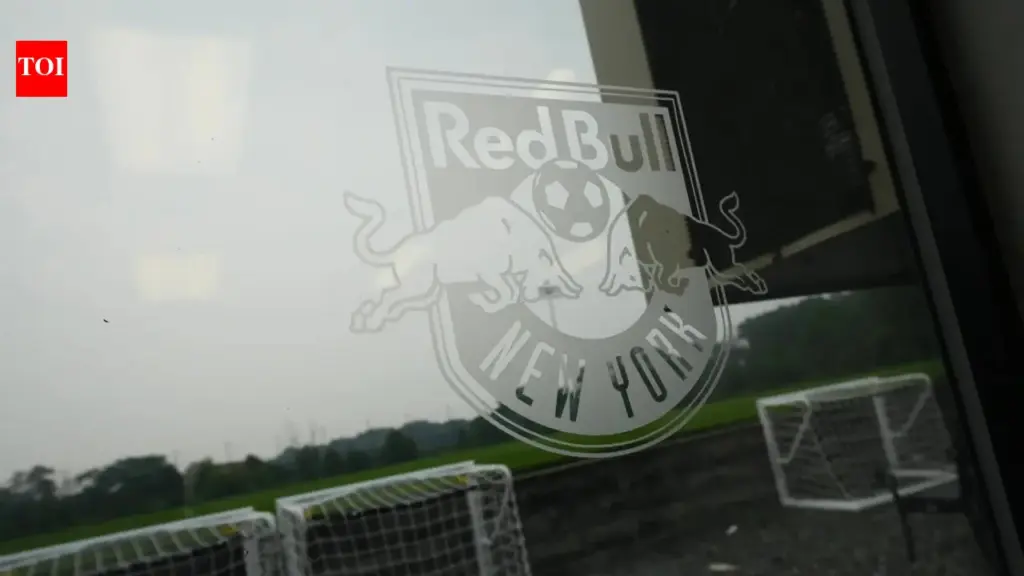
Argentina‘s preparations were also interrupted by the same weather system. The defending champions were scheduled to train at the Red Bulls Performance Center in Morristown, located about five miles from Spain‘s training facility. Their session, initially set to begin at 11:30 a.m. ET, was delayed by approximately 45 minutes due to lightning strikes in the area.
Despite the initial delay, Lionel Scaloni‘s squad eventually managed to take to the rain-soaked pitch and complete their training. This allowed them to conduct their final tactical work, unlike Spain, who were forced to cancel their outdoor activities entirely. Argentina secured their spot in the final by staging a late comeback to beat England 2-1 on Wednesday, while Spain advanced by defeating France 2-0 on Tuesday.
Broader weather and air quality context
The thunderstorms represent the latest weather-related challenge to impact the region during the tournament. Earlier in the week, officials in New York and New Jersey had issued an air quality health alert due to haze caused by wildfires in Canada. This led to concerns about poor air quality blanketing the city for several days, with a Code Red air quality alert issued between Tuesday and Thursday. Residents were advised to remain indoors and avoid strenuous outdoor activity.
However, the storms that disrupted Saturday’s training sessions are anticipated to bring a positive outcome for the air quality. Meteorologists predict that the rainfall will help clear much of the lingering haze before Sunday’s final. The Air Quality Index, which reached approximately 160 on Saturday and was classified as “unhealthy,” is forecast to improve to around 100, a “moderate” level, by kickoff. This suggests that the World Cup final will be contested under significantly healthier conditions than had been feared earlier in the week.
New York City Mayor Zohran Kwame Mamdani had advised residents on Saturday not to “risk your safety in these dangerous conditions” due to a flood advisory in the city. The World Cup final between Spain and Argentina is scheduled for Sunday at 20:00 BST.
Read Also
Source: bbc.com

