New Jersey’s MetLife Stadium faces scrutiny as World Cup final host

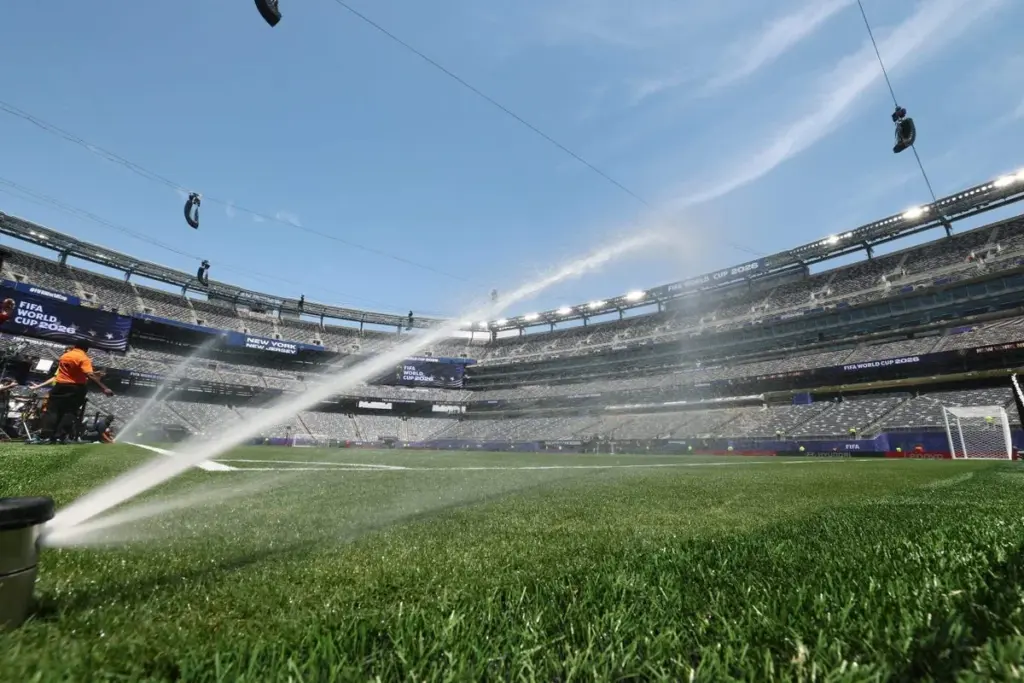
MetLife Stadium under scrutiny for World Cup final
As the World Cup final approaches, attention has focused on the NY-NJ Stadium, also known as MetLife Stadium, which is set to host the event. The venue has drawn considerable scrutiny regarding its design, transportation accessibility, and the quality of its playing surface. This comes despite the stadium’s capacity to accommodate 82,500 spectators and its history of hosting major events, including a Super Bowl and concerts.
Located in East Rutherford, New Jersey, approximately five miles west of Manhattan, the stadium is situated in the Meadowlands Sports Complex. It serves as the home for two American football franchises, the New York Giants and the New Jersey Jets. The stadium, which opened in 2010, features a modern metallic exterior with programmable lighting.
Local opinions on the stadium have often been critical. Sports columnist Steve Politi described it as "blah," noting that its design had to accommodate diverse needs, which some fans felt resulted in a "soulless, large empty building" that did not justify its initial cost. Transportation to the venue has also been a point of contention, particularly for those using rideshares due to congested roadways. While train and shuttle services offered a more efficient commute for many, some fans expressed frustration over the cost of tickets and waiting times.
Pitch conditions draw player and coach concerns
The playing surface at MetLife Stadium has been a recurring concern throughout the tournament. The hybrid grass pitch, installed in early May, has received mixed reactions from players and coaches. After a group-stage match, Brazil forward Vinicius Jr commented that the field was dry, which he felt made the game sluggish and affected player rhythm. Similarly, France coach Didier Deschamps described the surface as "special," and midfielder Adrien Rabiot noted its hardness and rigidity, comparing it to artificial turf.
However, the pitch’s behavior has been observed to change significantly with rain. Norway coach Ståle Solbakken stated that the pitch was "much better because of the rain," explaining that moisture made the ball move faster and smoother. This observation suggests that weather conditions could play a role in how the pitch performs during the final. FIFA has maintained that the playing surface has been carefully managed, undergoing extensive research and testing, and that officials have regularly monitored and adjusted moisture levels.
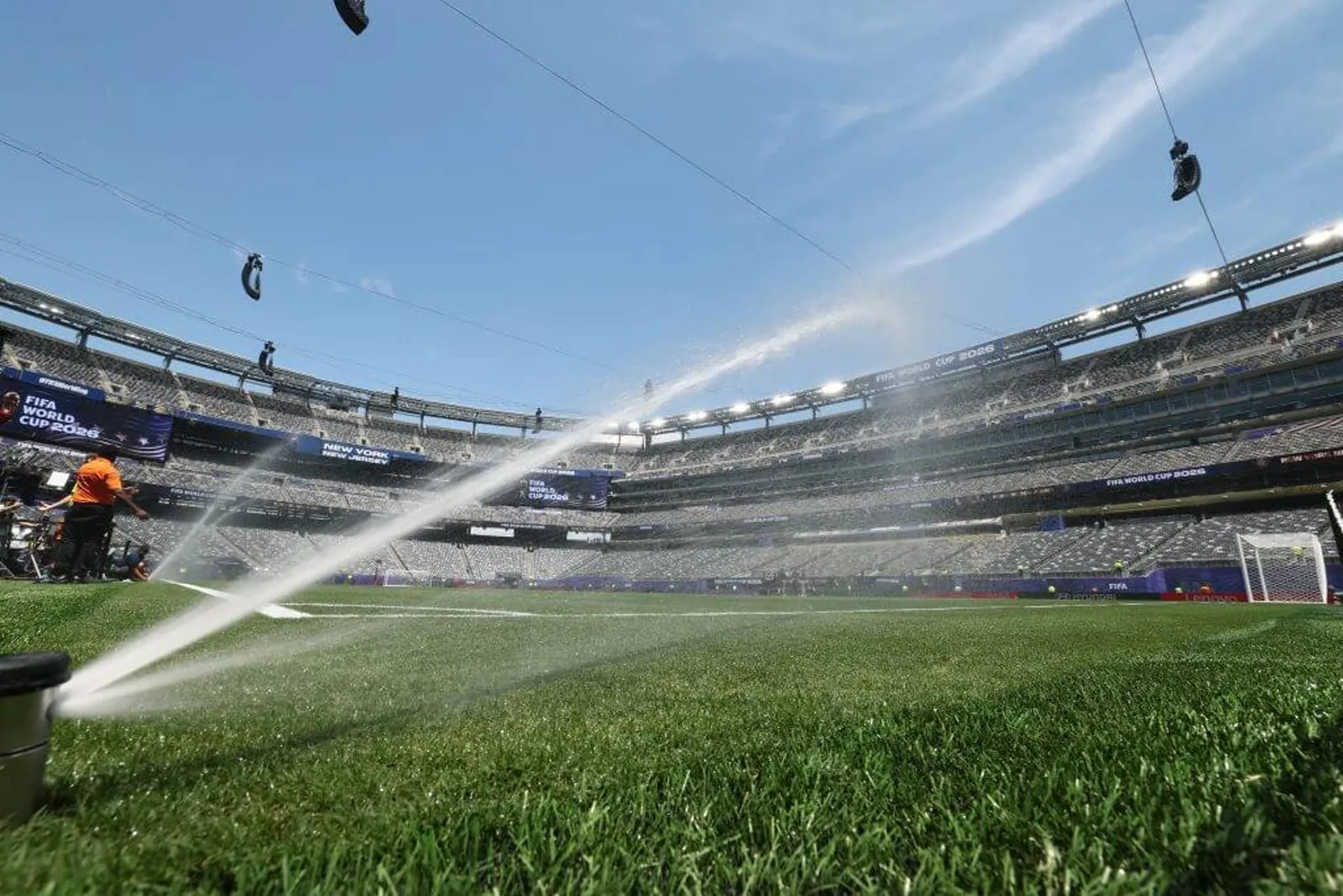
A 13-day gap was intentionally left between the last match at the venue and the final to allow the field time to recover. The condition of the pitch, whether it resembles the fast, dry surface criticized by some or the slick, rain-assisted field praised by others, may depend on the weather leading up to the final match.
Economic impact and local disputes
The selection of MetLife Stadium to host the final was influenced by its location within a major media market. Alex Lasry, chief executive of the Fifa World Cup 26 NYNJ Host Committee, highlighted the appeal of the New York-New Jersey area as a global capital for media, entertainment, and economics. He noted that beyond the stadium’s capacity, tens of thousands of fans are expected to participate in watch parties across the region.
Despite the perceived benefits, the hosting of the World Cup final has also led to disputes between New Jersey officials and FIFA. One point of contention arose when FIFA began selling pieces of the MetLife Stadium pitch as collectibles. These items, encased in resin, were priced at $450, with additional versions available at higher price points. If all 2,026 pieces across the four tiers sell out, they could generate significant revenue.
This initiative drew concern from New Jersey Governor Mikie Sherrill’s office, as state taxpayers contributed to the field’s installation. Documents indicate that the New Jersey Sports and Exposition Authority spent $13.04 million on turf upgrades to meet FIFA’s standards. Steve Sigmund, a spokesperson for Governor Sherrill, asserted that New Jersey taxpayers should share in any proceeds from the sales, given the state’s investment. Sources close to FIFA and the joint host committee have indicated that the host committee will receive the majority of the proceeds, which are intended for continued investments in the region.
Previous disagreements between Governor Sherrill and FIFA included public transportation costs, where the price of a rail ticket from Manhattan to MetLife Stadium increased significantly for World Cup fans. Governor Sherrill also requested that one of the major signs at the stadium reflect "New Jersey New York" to acknowledge the state’s role and investment in the event.
Collectively, New York and New Jersey have invested hundreds of millions of dollars into the World Cup, with New Jersey contributing $50 million, including a $15 million loan from the New Jersey Sports and Exposition Authority. Additionally, New Jersey spent over $37 million on stadium improvements and $40 million on a new pedestrian walkway, with $13.2 million in federal assistance.
Read Also
Source: bbc.com

